Start Strong: The Daily Sixty-Second Security Sweep

Give yourself one minute to check recent login alerts, scan for obviously reused credentials, and choose exactly one account to level up. By limiting the scope, you reduce friction, build momentum, and create a protective rhythm that compounds. These concentrated micro-moments prevent overwhelm while steadily hardening the gates an attacker must cross to touch your data or money.

Spot Reuse In A Flash

Open your password manager or memory, pick a high-value service, and ask one question: is this password reused anywhere? If yes, start the change now. Reuse is the single biggest shortcut attackers exploit, so eliminating even one instance each day dramatically shrinks blast radius across connected accounts when breaches inevitably occur.

Change One Weak Password

Select a password that is short, predictable, or sentimental, and replace it with a long, generated passphrase. Think four or five random words with separators, or a manager-generated 20-plus character string. One minute is plenty when autofill and generators are ready, and the improvement is immediate, measurable, and confidence building.

Micro-Habits That Actually Stick

{{SECTION_SUBTITLE}}

The Coffee-Cup Check

While the kettle heats, open your email for security notifications or run a breach scan with a trusted service. If you see anything suspicious, immediately change the affected password and enable two-factor authentication. That tiny habit transforms a sleepy minute into a powerful safety buffer that catches problems early, before damage spreads.

Commute Quick Wins

Use the waiting moments before a ride or during a short train stop to update one login in your manager. Offline notes help too: list three accounts to fix this week, then tackle one today. By framing security as a travel-sized task, you maintain momentum without sacrificing attention needed for the road or platform.

Password Managers: Power Moves In Sixty Seconds

Generate And Replace Effortlessly

Open the generator, choose at least twenty characters or a multiword passphrase, and paste it into one important account. Save, sync, and test the new login once. That quick swap eliminates predictable patterns, blocks credential stuffing, and ensures the next breach of another site cannot be reused to walk straight into this one.

Run A Health Scan

Use your manager’s security dashboard to find weak, reused, or old passwords. Change a single highest-risk entry right now and mark two more for the week. This calm, incremental approach avoids burnout, raises overall strength quickly, and gives you a clear scoreboard that rewards consistency over unsustainable bursts of effort.

Set Emergency Access

In one minute, designate a trusted contact or enable recovery options. Mistakes, lost devices, or illness should not lock you out. Properly configured emergency access preserves continuity without sharing actual passwords. This quiet administrative action safeguards families, teams, and futures when life throws inevitable curveballs that are bigger than any login screen.

Real People, Real Saves

Quick routines stop real trouble. Small decisions, repeated, close doors before attackers find them. The following snapshots show how one minute can catch unfamiliar logins, expose old exposures, or block an expensive takeover at exactly the moment it would have become weekend-ruining chaos, turning anxiety into a calm, decisive response.

Maya’s Streaming Close Call

Maya saw a new device sign-in on her TV app while making tea. She paused, enabled app-based two-factor authentication, and changed the password to a long passphrase. The next day, another attempt failed. That one protective minute prevented a weekend support spiral and stopped a bored attacker from freeloading on her subscriptions.

Leo’s Airport Pivot

At a crowded gate, Leo received a password reset email he did not request. He opened his manager, changed the password to a generated string, and revoked sessions. Minutes later another alert arrived but could not bypass the updated credentials and two-factor authentication. A layover panic transformed into a confident, contained protect-and-move moment.

Nora’s Forgotten Forum Cleanup

An old forum resurfaced in a breach alert. Nora used her weekly vault tidy to delete the account, then updated the email password it once reused. That single sweep broke a hidden chain connecting hobbies to banking, reducing risk across everything important without hours of research or stressful, late-night incident response chores.

Responding To Breach News Without Panic
Check Exposure Quickly

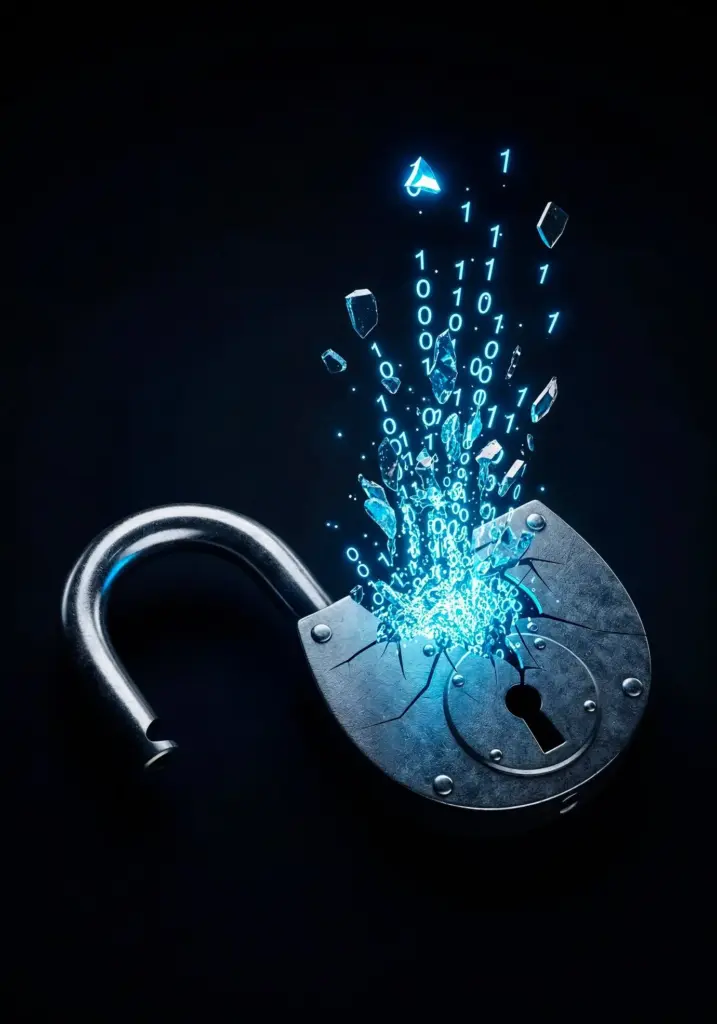
Use a reputable breach-notification service to see whether your addresses were listed. If they were, prioritize any service where that email is the login. Changing one sensitive password now dramatically lowers risk, because criminals often rush to exploit fresh leaks before most people have even seen the morning headlines or notifications.

Rotate The Priority Three

Use a reputable breach-notification service to see whether your addresses were listed. If they were, prioritize any service where that email is the login. Changing one sensitive password now dramatically lowers risk, because criminals often rush to exploit fresh leaks before most people have even seen the morning headlines or notifications.

Sweep For Stragglers

Use a reputable breach-notification service to see whether your addresses were listed. If they were, prioritize any service where that email is the login. Changing one sensitive password now dramatically lowers risk, because criminals often rush to exploit fresh leaks before most people have even seen the morning headlines or notifications.

Make The Habit Unbreakable

Anchor To Existing Routines

Tie password improvements to something you already do without thinking: morning coffee, shutting down your laptop, or brushing teeth. When the cue happens, do the smallest possible action, like changing one password. This creates a dependable chain reaction that builds protective consistency even on days that feel rushed or completely overloaded.

Visible Cues And Tiny Rewards

Tie password improvements to something you already do without thinking: morning coffee, shutting down your laptop, or brushing teeth. When the cue happens, do the smallest possible action, like changing one password. This creates a dependable chain reaction that builds protective consistency even on days that feel rushed or completely overloaded.

Track Wins, Not Guilt

Tie password improvements to something you already do without thinking: morning coffee, shutting down your laptop, or brushing teeth. When the cue happens, do the smallest possible action, like changing one password. This creates a dependable chain reaction that builds protective consistency even on days that feel rushed or completely overloaded.

Team Play: Sixty Seconds For Groups

At the end of a daily standup, reserve sixty seconds for one action: rotate a shared credential, enable two-factor authentication on a critical tool, or archive an unused integration. This consistent spark keeps security present, lightweight, and collaborative, transforming routine meetings into a steady engine of risk reduction without added bureaucracy.
Set automated reminders that trigger after code merges, server launches, or vendor onboarding. The nudge prompts a one-minute review of credentials, access scopes, and authentication methods. Timely cues align security with real work, reducing drift, preventing permission creep, and ensuring quick, practical adjustments before small misconfigurations become costly incidents or embarrassing postmortems.
Add a channel where teammates post short updates: rotated an API key, cleaned a vault item, or enabled passkeys. Applaud the effort with emojis, shout-outs, or tiny perks. Recognition turns maintenance into momentum, and momentum scales into culture, where everyone values the small, consistent steps that truly keep systems safe.
Artwood-hiroo
Privacy Overview

This website uses cookies so that we can provide you with the best user experience possible. Cookie information is stored in your browser and performs functions such as recognising you when you return to our website and helping our team to understand which sections of the website you find most interesting and useful.