One Minute, Safer Accounts
Start Strong: The Daily Sixty-Second Security Sweep
Spot Reuse In A Flash
Change One Weak Password
Micro-Habits That Actually Stick
{{SECTION_SUBTITLE}}

The Coffee-Cup Check

Commute Quick Wins
Password Managers: Power Moves In Sixty Seconds
Generate And Replace Effortlessly
Run A Health Scan
Set Emergency Access
Real People, Real Saves
Maya’s Streaming Close Call
Maya saw a new device sign-in on her TV app while making tea. She paused, enabled app-based two-factor authentication, and changed the password to a long passphrase. The next day, another attempt failed. That one protective minute prevented a weekend support spiral and stopped a bored attacker from freeloading on her subscriptions.
Leo’s Airport Pivot
At a crowded gate, Leo received a password reset email he did not request. He opened his manager, changed the password to a generated string, and revoked sessions. Minutes later another alert arrived but could not bypass the updated credentials and two-factor authentication. A layover panic transformed into a confident, contained protect-and-move moment.
Nora’s Forgotten Forum Cleanup
An old forum resurfaced in a breach alert. Nora used her weekly vault tidy to delete the account, then updated the email password it once reused. That single sweep broke a hidden chain connecting hobbies to banking, reducing risk across everything important without hours of research or stressful, late-night incident response chores.
Responding To Breach News Without Panic
Check Exposure Quickly
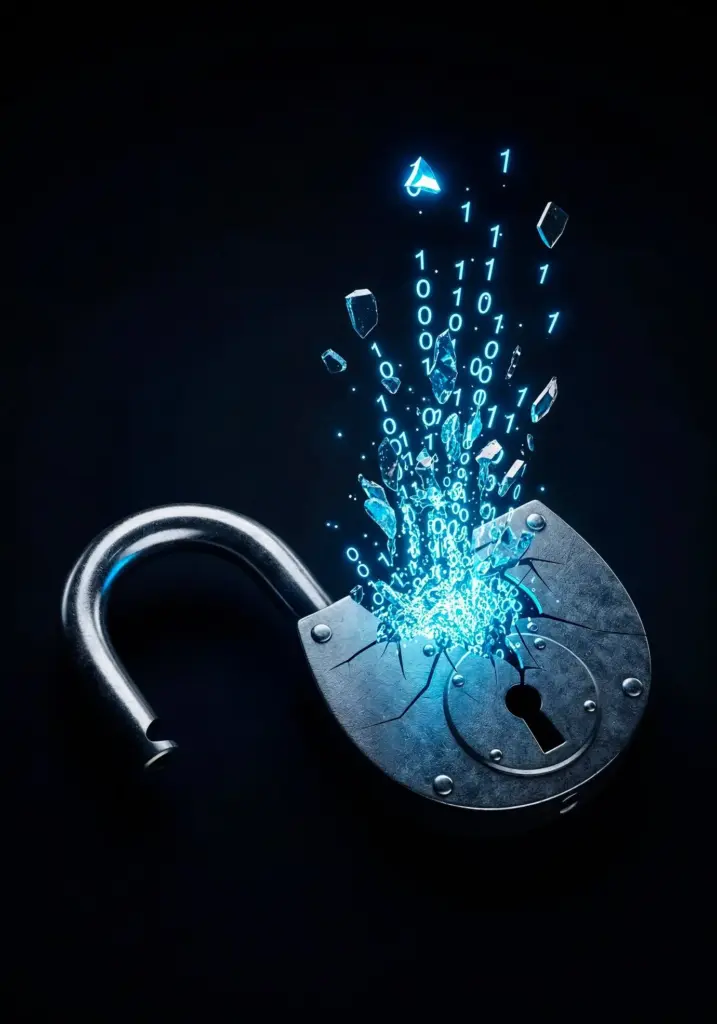
Use a reputable breach-notification service to see whether your addresses were listed. If they were, prioritize any service where that email is the login. Changing one sensitive password now dramatically lowers risk, because criminals often rush to exploit fresh leaks before most people have even seen the morning headlines or notifications.
Rotate The Priority Three
Use a reputable breach-notification service to see whether your addresses were listed. If they were, prioritize any service where that email is the login. Changing one sensitive password now dramatically lowers risk, because criminals often rush to exploit fresh leaks before most people have even seen the morning headlines or notifications.
Sweep For Stragglers
Use a reputable breach-notification service to see whether your addresses were listed. If they were, prioritize any service where that email is the login. Changing one sensitive password now dramatically lowers risk, because criminals often rush to exploit fresh leaks before most people have even seen the morning headlines or notifications.
Make The Habit Unbreakable
Anchor To Existing Routines
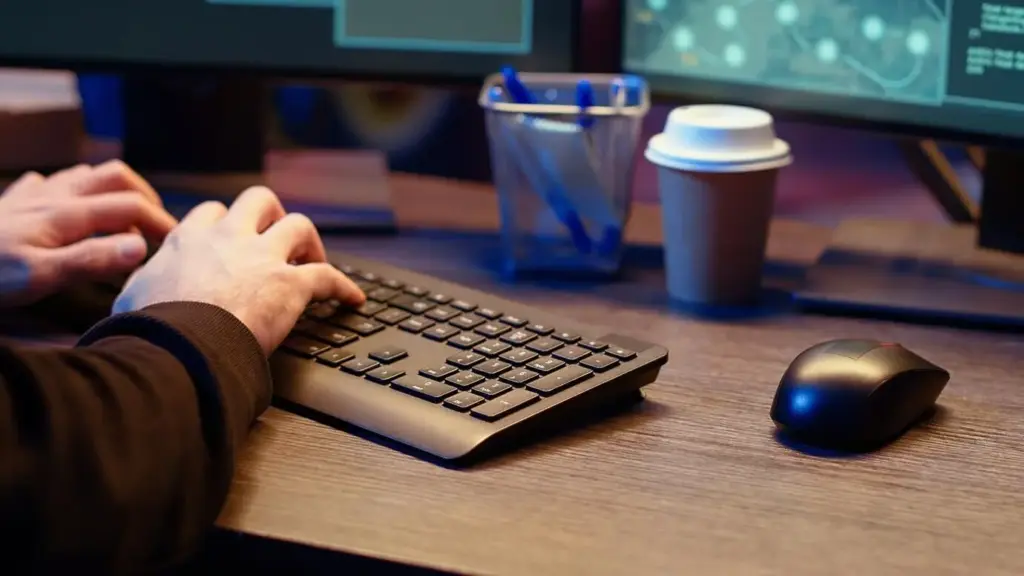
Tie password improvements to something you already do without thinking: morning coffee, shutting down your laptop, or brushing teeth. When the cue happens, do the smallest possible action, like changing one password. This creates a dependable chain reaction that builds protective consistency even on days that feel rushed or completely overloaded.
Visible Cues And Tiny Rewards
Tie password improvements to something you already do without thinking: morning coffee, shutting down your laptop, or brushing teeth. When the cue happens, do the smallest possible action, like changing one password. This creates a dependable chain reaction that builds protective consistency even on days that feel rushed or completely overloaded.
Track Wins, Not Guilt
Tie password improvements to something you already do without thinking: morning coffee, shutting down your laptop, or brushing teeth. When the cue happens, do the smallest possible action, like changing one password. This creates a dependable chain reaction that builds protective consistency even on days that feel rushed or completely overloaded.
Team Play: Sixty Seconds For Groups